English 中文 旧网站

News

MORE+
092023/03/

Scientific research trends

Researcher Ren Zhanli from our department was invited to give an academic presentation at the China International Geothermal Forum

On March 3-4, the 13th China International Geothermal Forum 2023, hosted by the Geothermal Industry Working Committee of the China Association for Technical Supervision and Information, the Key Laboratory of Shallow Geothermal Energy of the Ministry of Natural Resources, the Beijing Aviation Environmental New Energy Research Institute, and Geothermal App, and hosted by the China Geothermal Magazine, Geothermal Energy Network, and Carbon, was grandly held at the Shaanxi Hotel. As the annual grand event in the field of geothermal energy in China, this forum is themed "New Beginning, New Ideas to Assist the 30-60 Dual Carbon Goals", aiming to deeply implement the spirit of the 20th National Congress of the Communist Party of China, assist in the implementation of the carbon peak and carbon neutrality strategy, and promote the high-quality development of China's geothermal industry. Four academicians of the Chinese Academy of Sciences, including Wang Jiyang, He Yaling, and An Zhisheng, were invited to attend the conference. More than 1000 people, including authoritative experts in the field of geothermal energy, leaders of relevant government departments, industry associations, geothermal enterprises, research institutes, higher education institutions, energy-saving investment and carbon neutrality industry service enterprises, and nearly 20 media reporters, attended the on-site conference and visited the China Geothermal Exhibition.

Research findings

MORE+
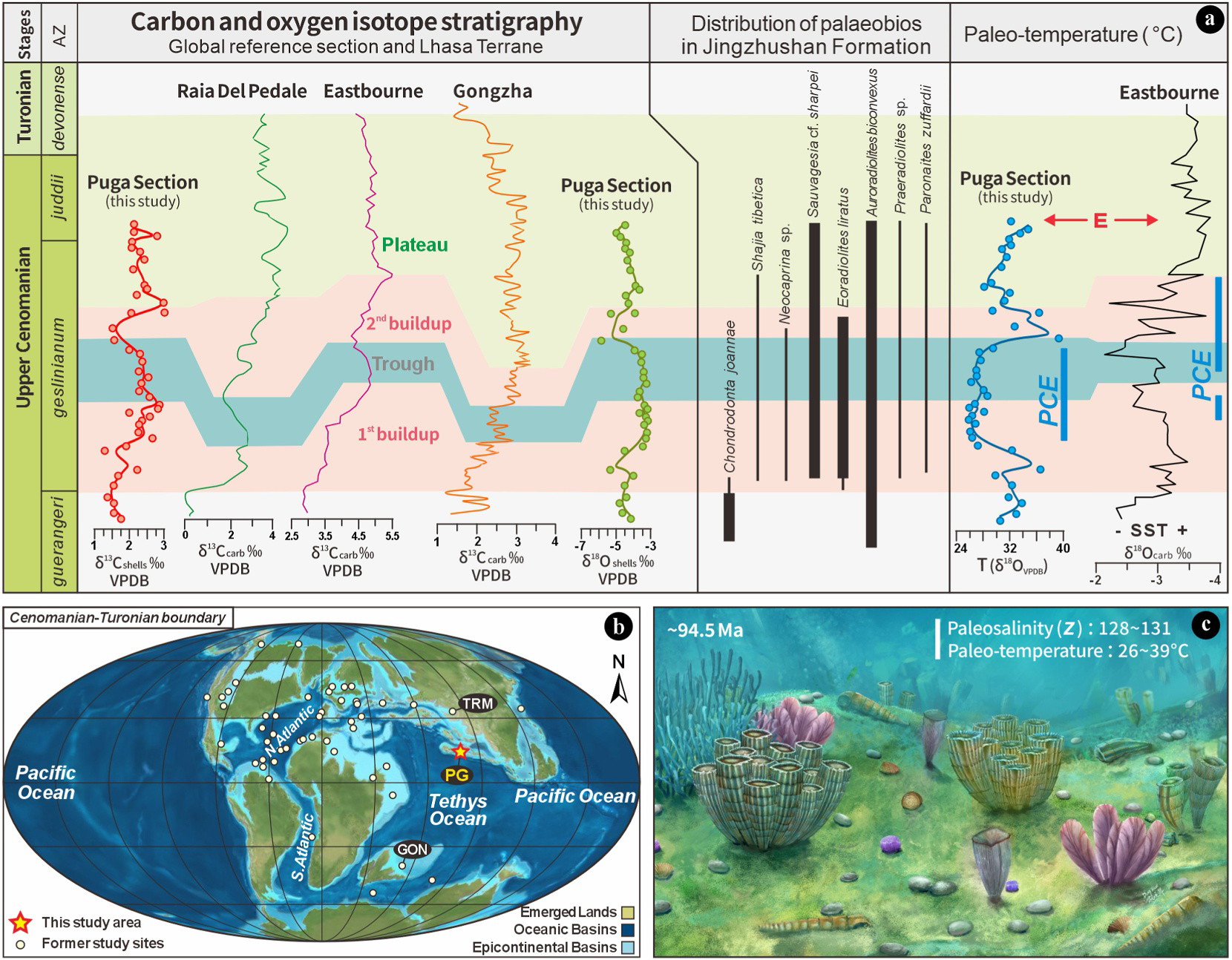
Tin (Sn) is an indispensable strategic key metal in fields such as electronic information, new energy, and high-end manufacturing. Tin oxide (SnO2) is the most important tin containing mineral in tin deposits. Its Sn isotope composition can effectively trace the source of ore-forming materials, the evolution of ore-forming fluids, and the migration precipitation process of tin. It is an important geochemical tool for revealing the genesis of tin deposits and deepening the understanding of tin mineralization laws.
The article "Multiscale pore structure of aeolian loess and its role in metastable structure and collapse behavior" written by Professor Xie Wanli and others from Northwestern University has been published in the Journal of Rock Mechanics and Geotechnical Engineering (Online First). This study is a further development based on the team's proposal of "Multi scale Structure Hydraulic Coupling Mechanism" (published in JRMGE) in the early stage.
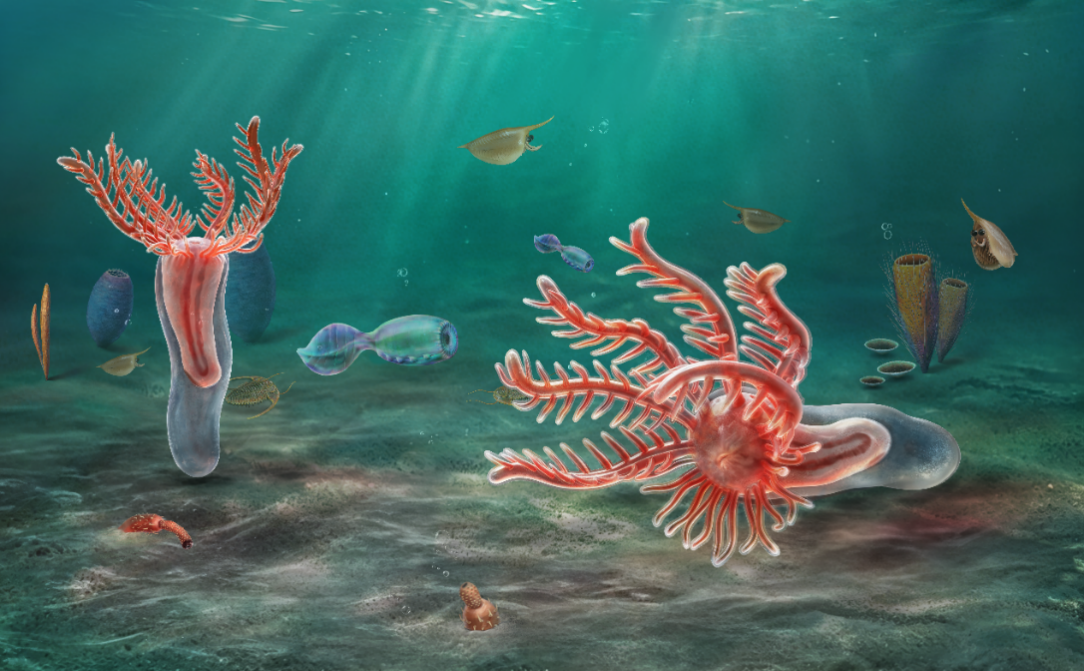
The Cambrian Explosion of Life is the most milestone event in the history of life evolution: within just tens of millions of years, the ancestors of living animal species emerged in stages, mineralized bones quickly spread, and the complex marine ecosystem centered around multicellular animals was officially laid. However, the climate and environmental background that drove this life "fast forward" has always been shrouded in fog, with the concentration of atmospheric carbon dioxide (CO2) being a long-standing and unresolved key puzzle. CO2 is a core factor in regulating global climate, profoundly affecting surface temperature, seawater acidity and alkalinity, and continental weathering intensity. However, previous reconstruction of CO2 concentration during this period relied almost entirely on carbon cycle model deduction, with significant differences in results between different schemes and a lack of direct geological evidence constraints.