The Great Incongruity is a classic puzzle in the field of geology, specifically referring to the geological phenomenon of the Cambrian strata unconformity covering the pre Cambrian strata that recorded the great eruption of life. It has attracted the attention of the scientific community since the Darwin era in the 19th century and was once referred to as the "Lipalian" stage by American paleontologist and stratigraphy expert Charles Walcott, representing a period of geological record gap in the evolution of the Earth and life.
. The Great Imbalance, as the most widely developed and influential geological record in the world, is believed to be closely related to the "Snowball Earth" and the beginning of modern plate tectonics. The large marine transgression events developed on it are considered an important environmental trigger for the formation of eutrophic oceans and the Cambrian Explosion. Previous studies have focused on North America, attributing it to tectonic exhumation or glacial erosion shortly before the Cambrian sedimentation (Neoproterozoic).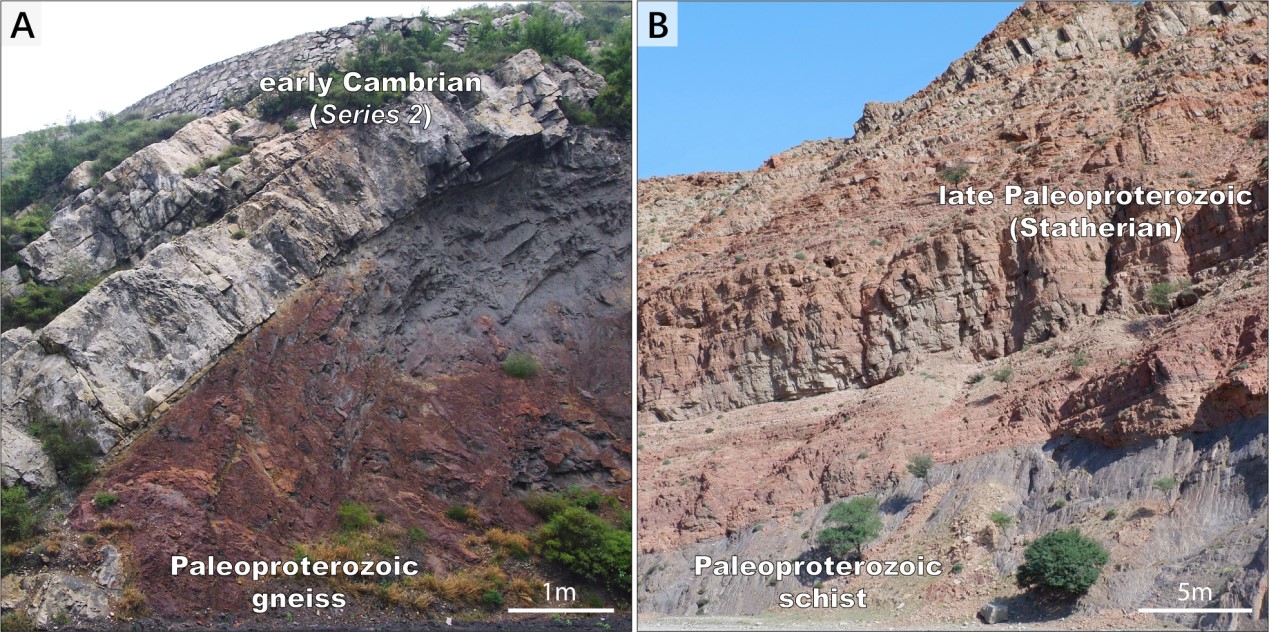
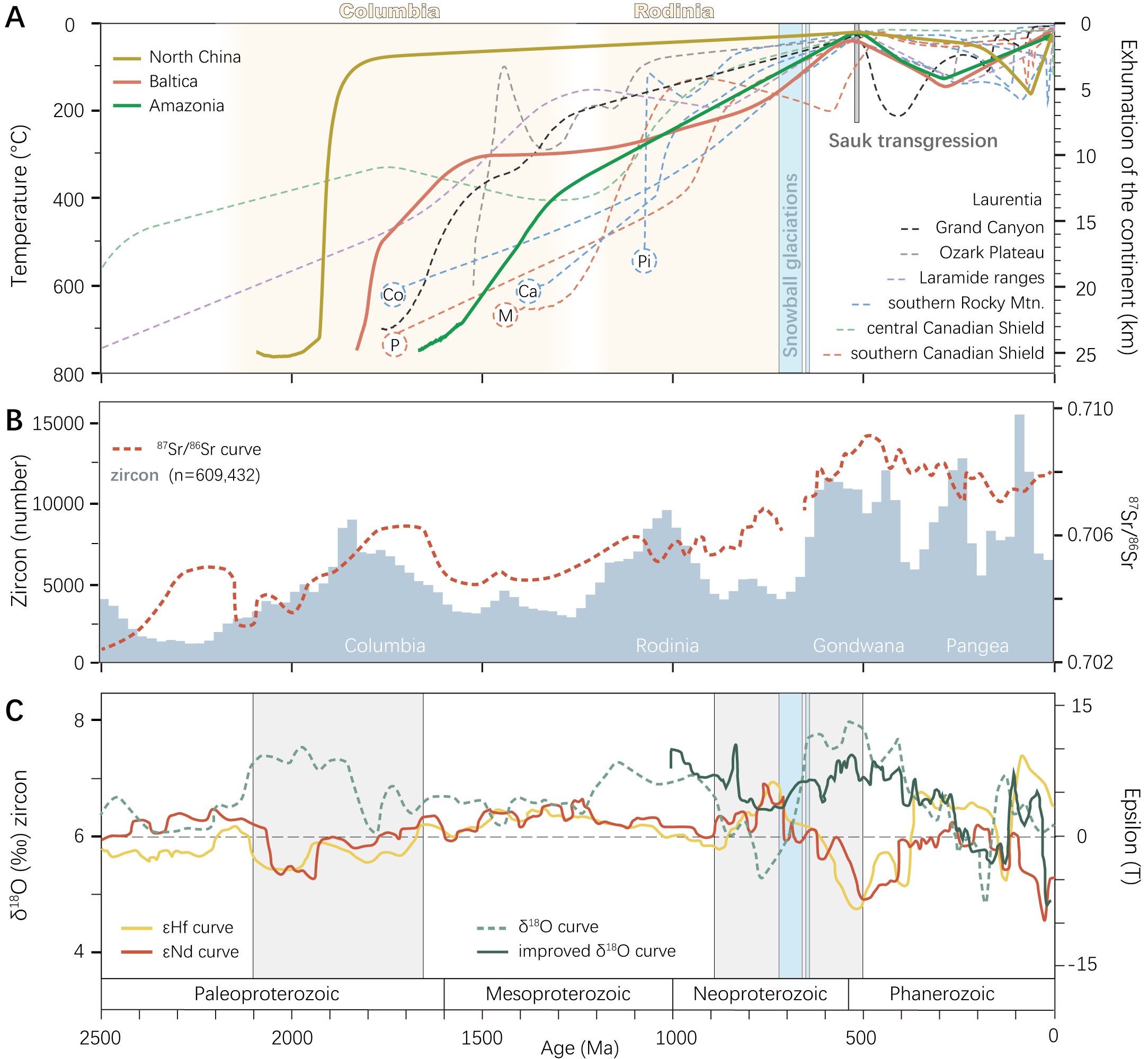
The research was completed by Professor Duan Liang, the early life and environment team of our department, in cooperation with research teams at home and abroad such as the Chinese Academy of Sciences, Italy, and the United States. The authors also include Wan Bo, a researcher from the Institute of Geology and Geophysics of the Chinese Academy of Sciences, Professor Nicholas Christie Blick of Columbia University, Professor Massimiliano Zattin of the University of Padua, Italy, as well as Zhang Xingliang, Yang Zhao, Wang Jianqiang, Gou Longlong, and Chen Kaiyun, a senior engineer of our university.
This research result has attracted the attention of multiple scientific media. James Dinneen, a news column reporter for the journal Science, interviewed Professor Duan Liang and Professor Zhang Xingliang from our department for the first time. The relevant content was reported in the research news column of the journal Science under the title "Ancient rocks point to an early start for the Great Incongruity - the largest gap in Earth's rock record": https://www.science.org/content/article/ancient-rocks-point-early-start-great-unconformity-biggest-gap-earth-s-rock-record.

 1 Xuefu Avenue, Guodu Education Industrial Park, Chang'an District, Xi'an, Shaanxi Province
 710127
 029-88302202
 029-88302202
 geo_office@nwu.edu.cn
 English


 登录
登录


 Home
Home